A Fossil Fuel–Free World: The Dawn of a Prosperous, Healthier, and Greener Future
For more than a century, fossil fuels have powered industries, homes, and transportation systems across the globe. They have driven economic growth, but they have also left humanity with polluted air, climate instability, health crises, and dependence on finite resources. Now, imagine a world free from fossil fuels—a world powered by clean energy, intelligent systems, and harmony with nature. Such a transformation would not simply replace one energy source with another; it would reshape human life into a healthier, more prosperous, and sustainable civilization.
Cleaner Living and Better Quality of Life

In a fossil fuel–free world, everyday life would become cleaner, quieter, and healthier. Cities once filled with smoke, traffic fumes, and noise would transform into calm, breathable, and vibrant communities. The skies would be clearer, rivers cleaner, and neighborhoods greener.
Respiratory illnesses caused by polluted air would sharply decline. Millions of people who currently suffer from asthma, heart disease, and pollution-related conditions would experience longer and healthier lives. Children would grow up in environments that nourish rather than damage their bodies, while older generations would enjoy greater wellbeing and reduced medical burdens.
People would also become more connected with nature. Parks, urban forests, rooftop gardens, and green public spaces would become central to city design, improving mental health and creating more peaceful lifestyles.
Revolutionary Housing and Smart Communities
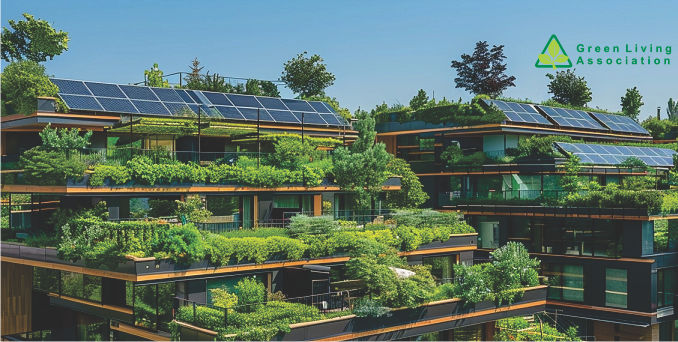
Housing in a fossil fuel–free future would be more efficient, affordable, and comfortable. Homes would be designed to generate their own electricity through solar panels, store energy in batteries, and use intelligent systems to optimize consumption. Buildings would remain cooler in summer and warmer in winter through modern insulation, natural ventilation, and sustainable architecture.
Entire communities could become self-sufficient energy hubs, reducing utility costs and dependence on centralized fossil-fuel grids. Families would spend less on energy bills and more on education, nutrition, and quality living.
Construction materials would increasingly shift toward sustainable wood, recycled products, green concrete, and innovative eco-materials that reduce environmental damage. Urban planning would prioritize walkability, cycling paths, and mixed-use neighborhoods where people can live, work, and socialize with less need for long commutes.
Clean Transportation and Human Mobility
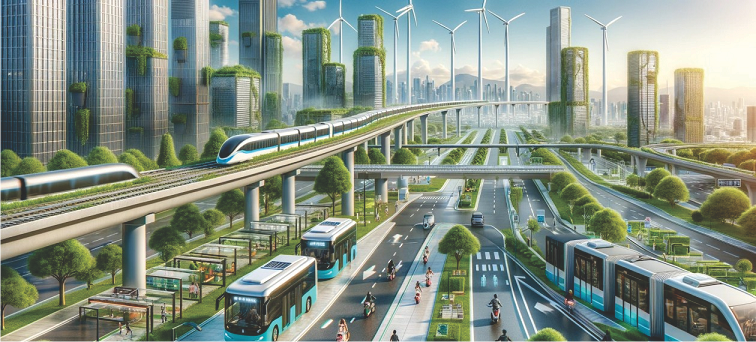
Transportation would undergo one of the greatest transformations. Petrol and diesel vehicles would be replaced by electric cars, buses, trains, bicycles, and hydrogen-powered heavy transport systems. Streets would become quieter, safer, and less polluted.
Public transport systems would become more advanced, affordable, and efficient, connecting people seamlessly while reducing congestion. High-speed rail networks could replace many short-haul flights, cutting emissions and saving time.
For ordinary citizens, mobility would become cheaper in the long term. Electric vehicles require less maintenance, and renewable electricity can be more stable in cost than imported oil. Cycling and pedestrian-friendly cities would also improve physical fitness and community interaction.
A Thriving Green Economy
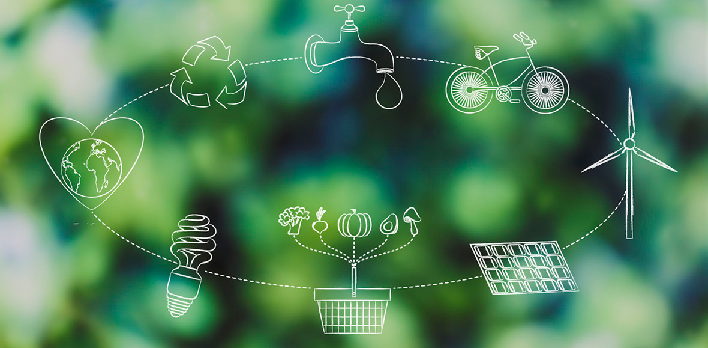
Far from harming prosperity, a fossil fuel–free world could unlock one of the greatest economic booms in history. Renewable energy industries, smart grids, battery storage, green construction, regenerative agriculture, recycling systems, and environmental restoration would create millions of jobs.
Innovation would flourish as entrepreneurs develop new technologies in clean manufacturing, sustainable transport, circular economies, and energy efficiency. Local communities could generate and sell their own energy, decentralizing wealth creation rather than concentrating it in a few sectors.
Countries heavily dependent on imported oil would gain greater energy independence, improving trade balances and national stability. Money once spent on fossil fuel subsidies, pollution damage, and health costs could be redirected toward education, healthcare, science, and social progress.
A Healthier Planet, a Safer Humanity
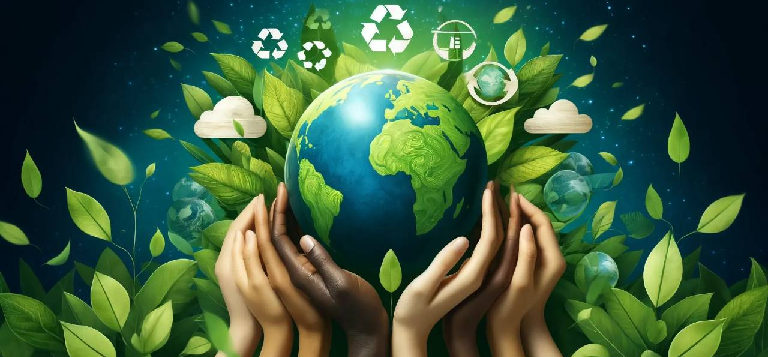
A fossil fuel–free world would significantly slow climate change, reducing the risks of extreme heat, floods, droughts, and destructive storms. Agriculture would become more secure, water systems more stable, and ecosystems more resilient.
Wildlife habitats would recover as cleaner energy reduces drilling, mining expansion, and oil spills. Oceans would benefit from lower acidification pressures and less industrial pollution. Humanity would move from exploiting nature recklessly to cooperating with it wisely.
This would also reduce geopolitical tensions tied to oil and gas competition. Nations could focus more on collaboration, innovation, and shared prosperity rather than strategic rivalry over declining resources.
The Psychological Shift: From Extraction to Stewardship
Perhaps the greatest transformation would be cultural. A fossil fuel era often rewarded short-term extraction and consumption. A clean-energy civilization would encourage stewardship, efficiency, creativity, and responsibility.
People would begin to see progress not merely as consuming more, but as living better—with cleaner air, stronger communities, healthier bodies, meaningful work, and harmony with future generations.