One of the most inspiring dimensions of Green Living Association’s work is its commitment to providing outstanding Green Ambassadors with international environmental study opportunities in some of the world’s most progressive and environmentally advanced countries. These study tours are designed to expose young environmental leaders to innovative sustainability practices, enabling them to bring valuable knowledge, ideas, and inspiration back to their schools, communities, and the wider society of Pakistan.
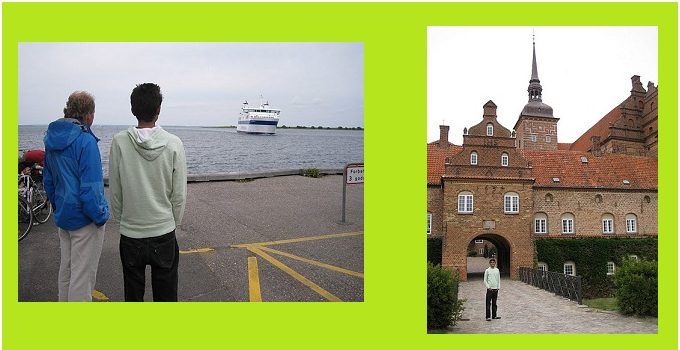
As part of this vision, Mohammad Jawad Ashraf, the Crown Green Ambassador and National Champion of GLA’s environmental education programme from Beaconhouse School System, Gujrat, successfully completed his award-winning Environmental Study Trip to Denmark. The experience proved to be one of the most enriching and transformative learning journeys of his life.
Denmark’s pioneering leadership in environmental protection is remarkable. The country is a global frontrunner in renewable energy production, particularly wind power, and has established innovative systems for waste reduction, recycling, and resource efficiency. Its ambitious zero-waste strategies, advanced water treatment and management systems, and widespread adoption of organic and biodynamic agriculture provide valuable examples of sustainable development in practice.
During his visit, Mohammad Jawad Ashraf had the opportunity to observe and learn from these inspiring environmental achievements firsthand. The experience broadened his understanding of sustainability, strengthened his commitment to environmental stewardship, and equipped him with ideas that can contribute to a greener and more sustainable future for Pakistan.
The following are some of the highlights of his remarkable journey to Denmark.
Summer Camp at Tvind
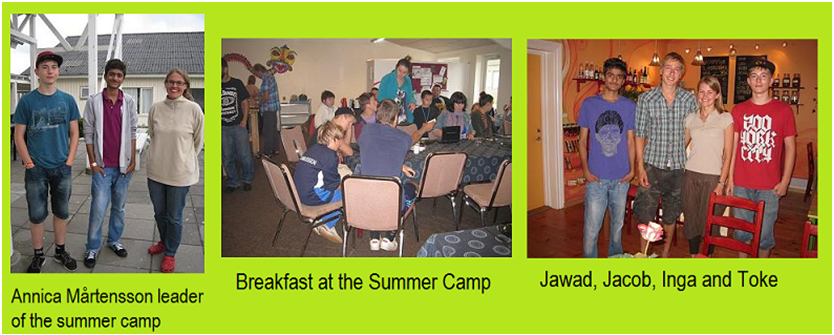
A memorable part of the study tour was participation in an international summer camp that brought together students from diverse cultures and nationalities to learn, work, and grow together. The camp focused on important themes such as diversity, peace, environmental protection, and global citizenship.
Hosted at the Tvind International School Centre near Ulfborg, Denmark, the programme provided a vibrant international learning environment where participants engaged in teamwork, cultural exchange, educational activities, and discussions on sustainability. Through group projects, games, and collaborative learning, students developed a deeper understanding of cooperation, peacebuilding, and environmental responsibility.
The First Giant Windmill
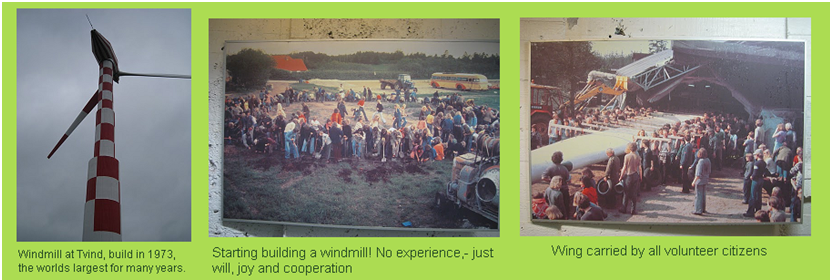
One of Tvind’s most remarkable landmarks is its historic giant windmill, built in 1973 by around 200 young people with no previous experience in such a project. Taking three years to complete, it remained the world’s largest windmill for many years and continues to generate clean energy for the school’s facilities today.
The windmill stands as a powerful symbol of innovation, teamwork, and commitment to a sustainable future. For the Green Ambassador, it offered an inspiring example of Denmark’s leadership in renewable energy and the transformative power of vision and collective action.
A Study Visit to the Nordic Folkecenter
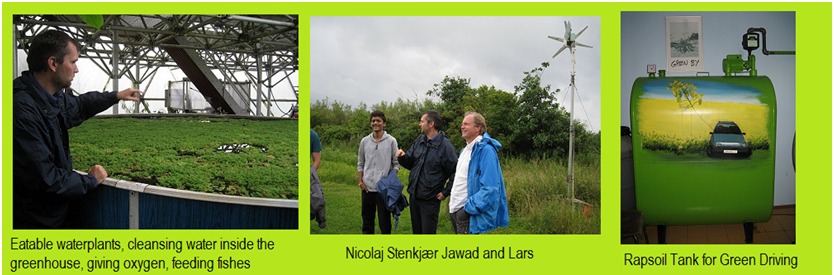
Another valuable highlight of the study tour was a visit to the Nordic Folkecenter for Renewable Energy, one of the world’s leading institutions dedicated to the research, development, training, and promotion of renewable energy technologies.
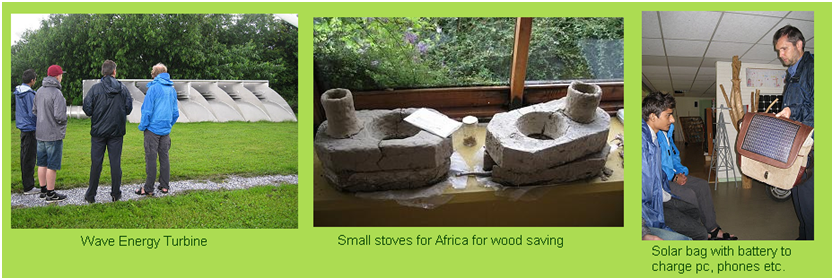
The centre plays a pioneering role in advancing sustainable energy solutions by supporting technological innovation, energy efficiency, and the practical implementation of renewable energy systems. Working in collaboration with local authorities, international organizations, research institutions, and industry partners, the Folkecenter contributes significantly to the global transition toward clean and sustainable energy.
Driven by a long-term vision of replacing fossil fuels and nuclear power with renewable energy sources, the centre serves as an inspiring model of environmental leadership and innovation.
During the visit, the Crown Green Ambassador gained valuable insights into the centre’s work, learning how research, education, and practical solutions are being used to accelerate the adoption of renewable energy and reduce environmental pollution around the world.
Thisted Wastewater Treatment Plant
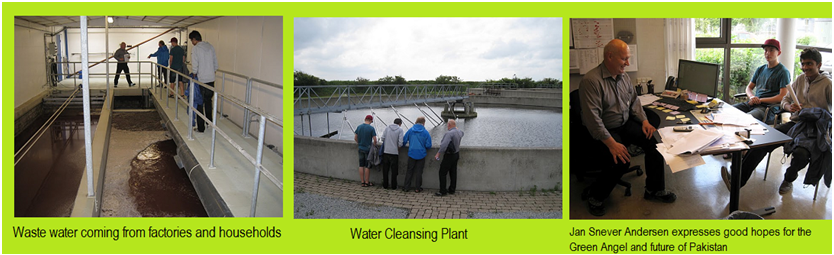
As part of the environmental study tour, the Crown Green Ambassador visited the Thisted Wastewater Treatment Plant, an innovative facility that combines water purification with renewable energy production.
The plant utilizes advanced wastewater treatment processes to clean and recycle water while transforming organic waste into valuable energy resources. A key feature of its operations is the production of biogas, a renewable fuel generated through the natural breakdown of organic materials in the absence of oxygen.
Produced from sources such as wastewater, sewage, and other biodegradable waste, biogas consists primarily of methane and carbon dioxide and serves as a sustainable alternative to fossil fuels. Through continuous innovation and experimentation, the Thisted facility has demonstrated the significant potential of converting waste into clean energy while reducing environmental pollution.
The visit provided an inspiring example of how modern environmental technologies can address two critical challenges simultaneously—effective waste management and sustainable energy production—contributing to a cleaner and more resource-efficient future.
Danish Wind Energy: A Model of Sustainability
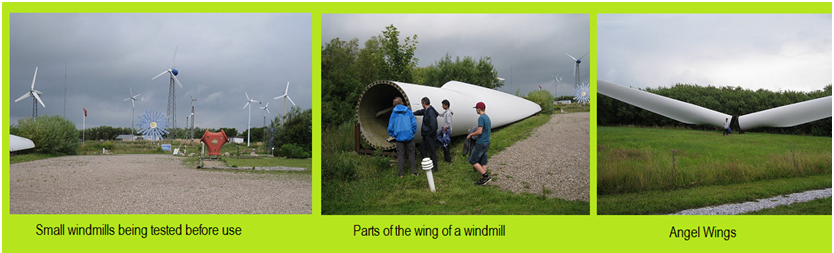
Denmark has a long-standing tradition of harnessing wind power, initially used for agricultural purposes and later evolving into a global leader in wind energy production. Today, wind power plays a central role in Denmark’s national energy system, reflecting its strong commitment to sustainability and environmental protection.
The country is home to world-leading wind turbine manufacturers such as Vestas, and has developed extensive wind farm infrastructure across both land and sea. A notable example is the wind farm located near the coal-powered plant at Avedøre, south of Copenhagen, symbolizing Denmark’s clear transition from fossil fuels to clean, renewable energy sources.
One of the most iconic sights is the Middelgrunden offshore wind farm, visible from Copenhagen’s harbor and airport approach routes. Comprising 20 wind turbines, each standing 64 meters high with a rotor diameter of 76 meters and a capacity of 2 MW, the wind farm supplies a significant portion of clean electricity to the city.
These wind energy projects not only demonstrate Denmark’s technological leadership but also reflect its strong environmental vision—shifting from carbon-intensive energy production toward a cleaner, wind-powered future for generations to come.
Biodynamic Agriculture in Denmark
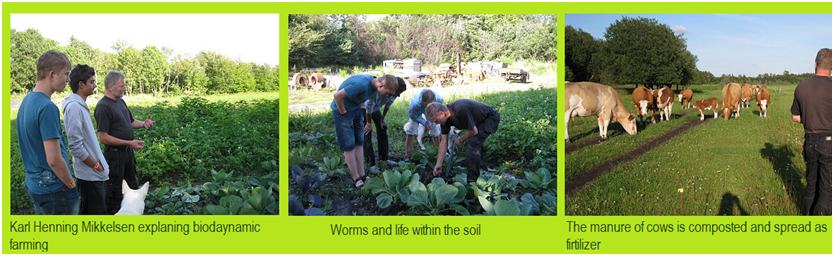
Biodynamic farming is a key feature of Denmark’s advanced approach to sustainable agriculture, widely recognized for its ability to improve soil fertility, plant health, and ecological balance.
This method enhances soil structure by increasing humus content, which not only improves soil productivity but also helps capture and store significant amounts of carbon dioxide from the atmosphere. Biodynamic soils are known for better water absorption and retention, reduced irrigation needs, and improved resilience compared to conventional farming systems.
A central practice involves the use of composted cattle manure as natural fertilizer, enriching the soil without synthetic chemicals. Over time, biodynamic techniques can also help restore degraded and salt-affected land, bringing it back into productive use.
The system further incorporates specially prepared natural formulations designed to stimulate soil microbial activity, root development, and overall soil vitality. In addition, it emphasizes environmentally conscious cultivation methods and follows natural planting calendars based on lunar and cosmic rhythms to enhance agricultural productivity.
Overall, biodynamic agriculture in Denmark represents a holistic and science-informed approach that integrates ecological balance, soil regeneration, and sustainable food production.
Organic Agriculture and Distribution in Jutland
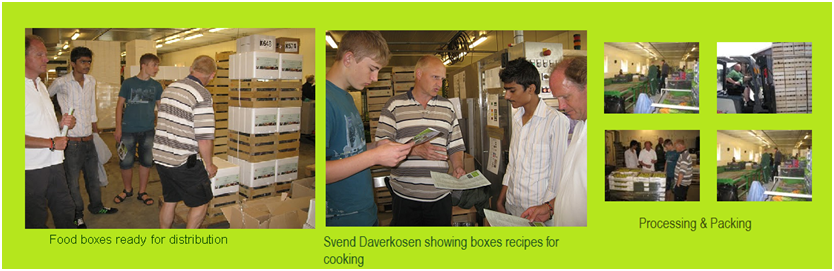
A notable feature of Denmark’s sustainable food system is its strong focus on organic agriculture and efficient distribution networks. In Eastern Jutland, Barritskov farm, operated under the well-known organic food company Aarstiderne, stands as one of the country’s largest organic farming operations.
Barritskov primarily cultivates vegetables such as cabbage, salad greens, fennel, celery leaves, and a wide range of culinary herbs. Together with partner farms including Ringstholm, Billeslund, and Krogerup, the collective cultivation area extends over approximately 900 hectares of farmland.
A significant portion of this organic produce is distributed directly to consumers through Aarstiderne’s innovative box scheme and online platform, offering seasonal, freshly harvested food across Denmark. Despite its relatively small size, Denmark has developed one of the strongest organic food markets in the world, with organic products accounting for a significant share of total food consumption.
The rapid growth of this sector reflects a strong national shift toward healthier diets, environmental responsibility, and sustainable agricultural practices—making Denmark a global leader in organic food production and distribution.
Aeroe Island: : A Harmony of Nature and Peace
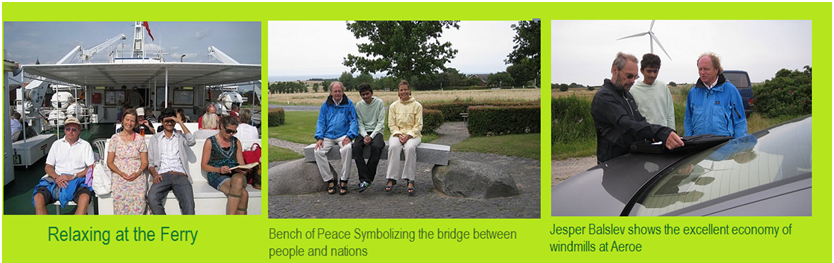
Aeroe in Denmark is a scenic Baltic island approximately 30 km long and up to 8 km wide, often described as a “ship in a bottle” due to its unique shape and enclosed maritime setting.
The island features a gently rolling landscape with hills, fertile farmland, and a network of small towns and villages. The main town is Marstal, followed by Ærøskøbing and Søby, along with around 14 smaller villages. With a population of just over 7,000 residents, the island maintains a close-knit and peaceful community life.
Agriculture and small-scale farming remain important parts of local life, complemented by a strong sense of trust, safety, and social cohesion. Ærø is widely known for its exceptionally secure environment, where openness and mutual trust are deeply rooted in everyday culture.
The island stands as a rare example of how human society and nature can coexist in balance—offering a living demonstration of peace, sustainability, and environmental harmony in action.
The world’s largest solar power plants at Aeroe
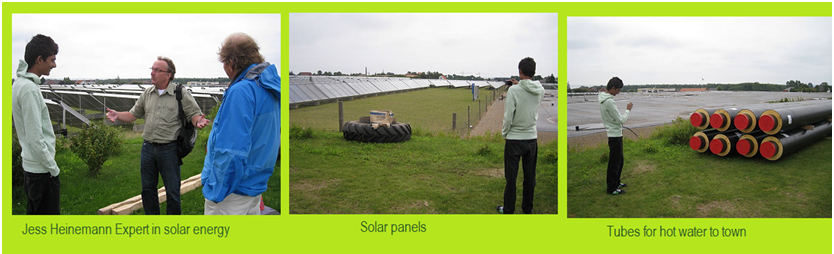
Aeroe has the world’s largest solar power plants, with an area of 18,365 m². It covers a third of Marstal’s power consumption. Aeroe is endeavouring to make the island self-sufficient in energy, and in 2002 a figure of 40 % self-sufficiency in renewable energy was reached. In 2008, Aeroe Islands self sufficiency has reached over 80% in terms of electricity and heating. These initiatives have earned Ærø both international recognition and a number of prestigious awards, both domestic, such as the Solar Town 2000 award, and international, such as the Energy Globe 2001 and a European Union sustainable community award. Given that background, it is fitting that world’s largest solar collector system for heating is on Aeroe.
Fresh Water Plant in Hundested
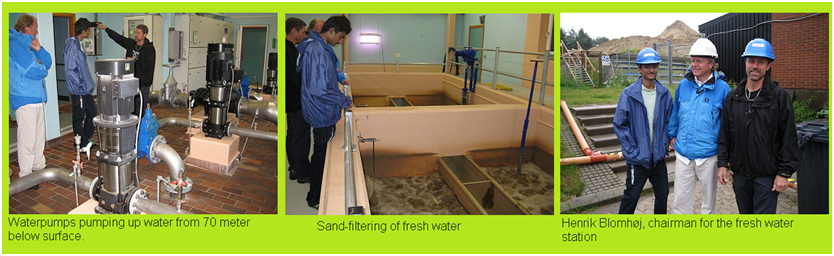
The Hundested Fresh Water Plant represents an important example of Denmark’s advanced approach to clean water management and sustainable resource use. The facility is designed to ensure a reliable supply of high-quality drinking water while maintaining strict environmental standards and protecting local water resources.
Using modern purification and treatment technologies, the plant processes and safeguards groundwater, ensuring that water delivered to the community is clean, safe, and sustainably managed. Special emphasis is placed on efficiency, conservation, and minimizing environmental impact throughout the treatment process.
The Hundested water system reflects Denmark’s broader commitment to environmental responsibility, demonstrating how innovative infrastructure can secure essential natural resources while supporting long-term ecological balance and public health.
Danish Waste Centres for Reuse
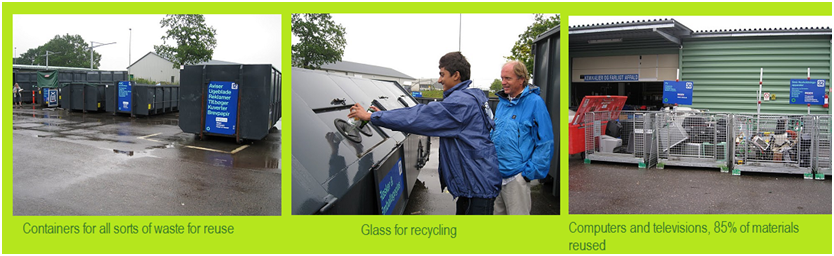
During the study visit, the Crown Green Ambassador explored a Danish Waste Centre for reuse, an advanced facility designed to systematically sort and manage waste into dedicated categories such as organic material, cement, plastics, glass, furniture, and other recyclable items.
Denmark, particularly the City of Copenhagen, is globally recognized for its strong commitment to sustainable waste management and reducing environmental impact. The system is designed not only for efficient waste handling but also to ensure high citizen satisfaction and active public participation.
The future vision focuses on strengthening waste prevention and reuse, significantly increasing waste separation, and diverting thousands of tons of material from incineration toward recycling. It also emphasizes innovative urban waste solutions and the development of more sustainable collection and treatment systems.
Overall, the Danish model demonstrates a forward-looking approach that transforms waste management into a circular system of resource recovery and environmental protection.
Organizers of the Study Trip
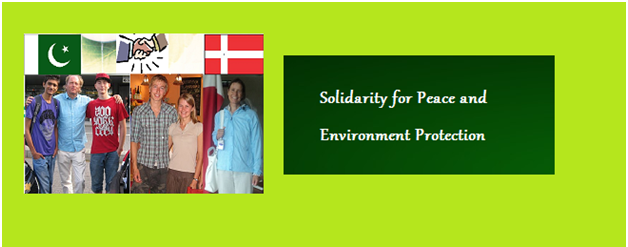
During the Crown Green Ambassador’s Study Trip, the Danish team of Green Living Association played an exceptional role as dedicated hosts, ensuring a well-structured, enriching, and forward-looking learning experience for the participant and future Green Ambassadors in Pakistan.
The programme was thoughtfully planned and executed by the Danish team members—Inger, Lars, Jacob, and Toke—whose professionalism, coordination, and strong time management reflected their deep commitment to environmental education and international cooperation for sustainability.
Their efforts not only made the study visit highly impactful but also strengthened cross-border collaboration in promoting environmental awareness. In recognition of their outstanding contribution, Green Living Association Pakistan presented the Green Solidarity Award to the Danish team.
**********